
Πάνος Καμμένος: Η διεφθαρμένη ΕΕ μας οδηγεί στον 3ο Παγκόσμιο Πόλεμο – Πρέπει να μαζέψουμε τον παλαβό Ζελένσκι

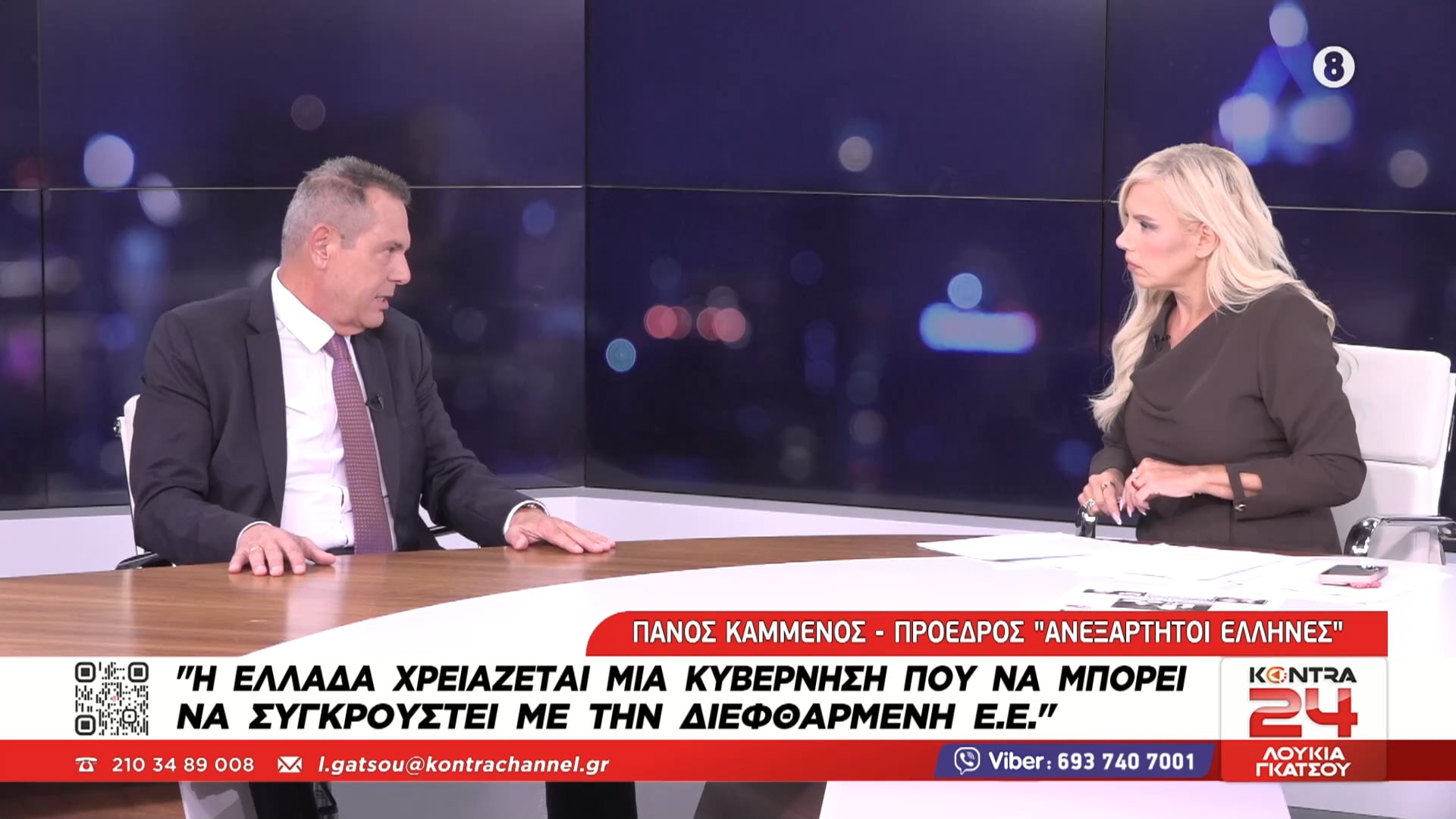
Ο Πάνος Καμμένος έριξε βόμβες αργά το βράδυ της Τρίτης καλεσμένος στο Kontra Channel
Οι πολίτες της ευρωπής στις εκλογές θα στραφούν κατά της διεφθαρμένης ηγεσίας της Ευρώπης,
η οποία έχει μόνο σκοπό να οδηγήσει στον Τρίτο Παγκόσμιο Πόλεμο για να πουλήσει όπλα, για να πάρει τα εκατόν σαράντα δισεκατομμύρια και να τα κάνει όπλα. Αυτό είναι στο μυαλό της Ούρσουλας.
Βλέπουν εχθρούς στη Ρωσία, δήθεν εχθρό. Εδώ πέρα, με αυτή την κρίση πρέπει να μαζέψουν αυτόν τον παλαβό τον Ζελένσκι. Να γίνει μια συμφωνία όπως την ορίζει ο Τραμπ και την έχει ξεκινήσει. Να σταματήσει ο πόλεμος, να σταματήσει η αντιπαράθεση με τη Ρωσία, να έχουμε κατευθείαν από τη Ρωσία και φυσικό αέριο φτηνό και πετρέλαια, να αντιμετωπίσουμε την κρίση της Μέσης Ανατολής και να κλείσουμε τα μέτωπα.
Αντί να κλείνουν τα μέτωπα, αυτά ανοίγουν. Όποιοι λοιπόν φτάσουν να αντιπαρατεθούν με αυτή τη διεφθαρμένη Ευρωπαϊκή Ένωση στην Ελλάδα.
Θα προκύψουν δυνάμεις πιστεύω μετά τις πρώτες εκλογές, από τη στιγμή που δεν θα υπάρχει αυτοδυναμία
και θα προκύψει μια τέτοια δύναμη. η οποία δεν είναι ούτε Αριστερά ούτε Δεξιά, αλλά θα είναι ένα στοπ σε αυτή την πολιτική διαφθορά που επιβάλλει η Νέα Δημοκρατία, που επιβάλλουν οι τρεις άσσοι.
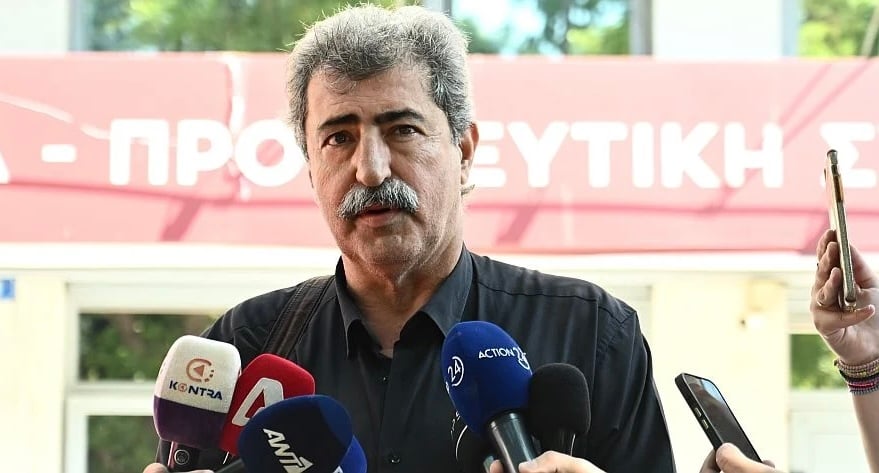
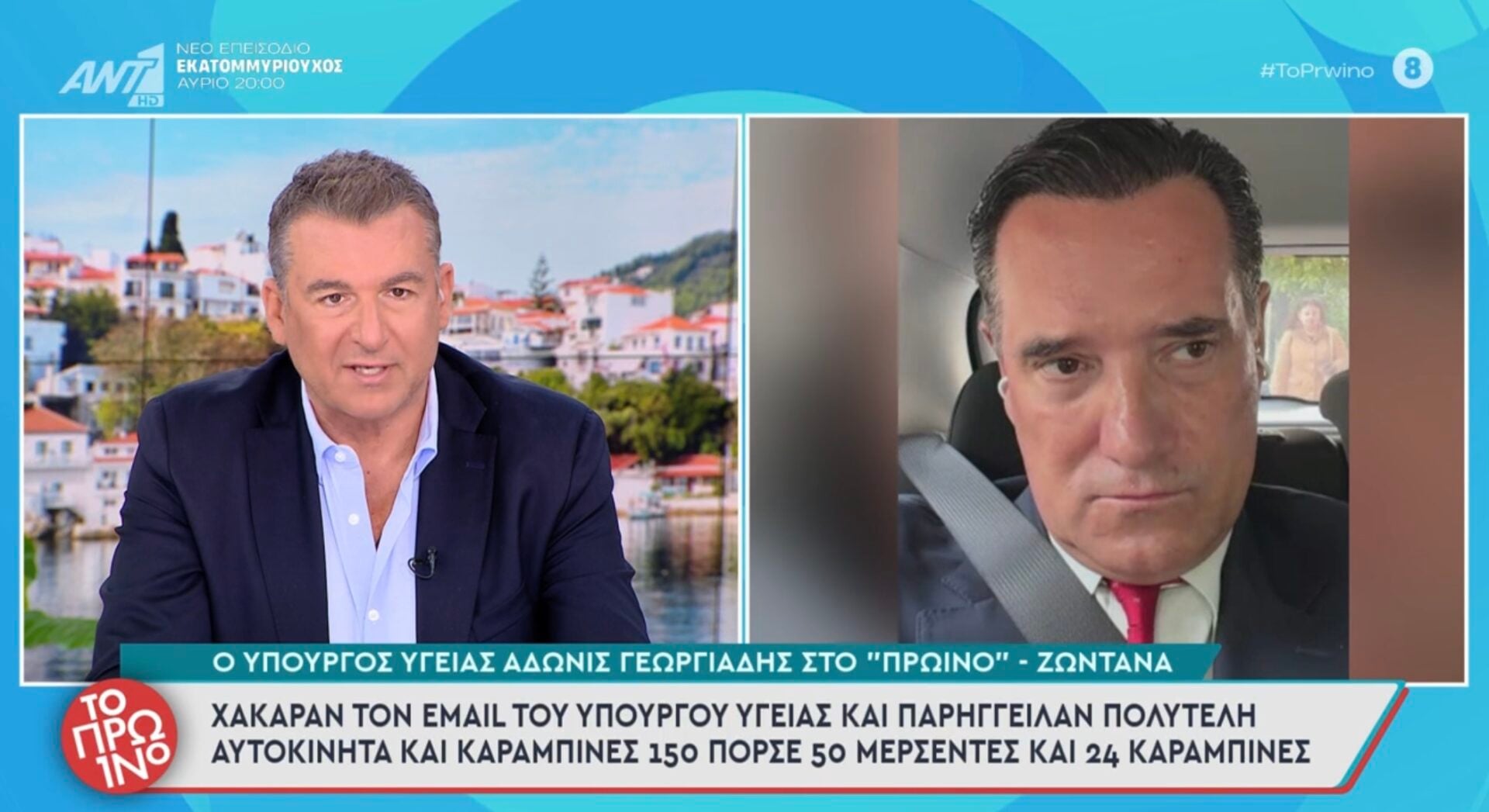

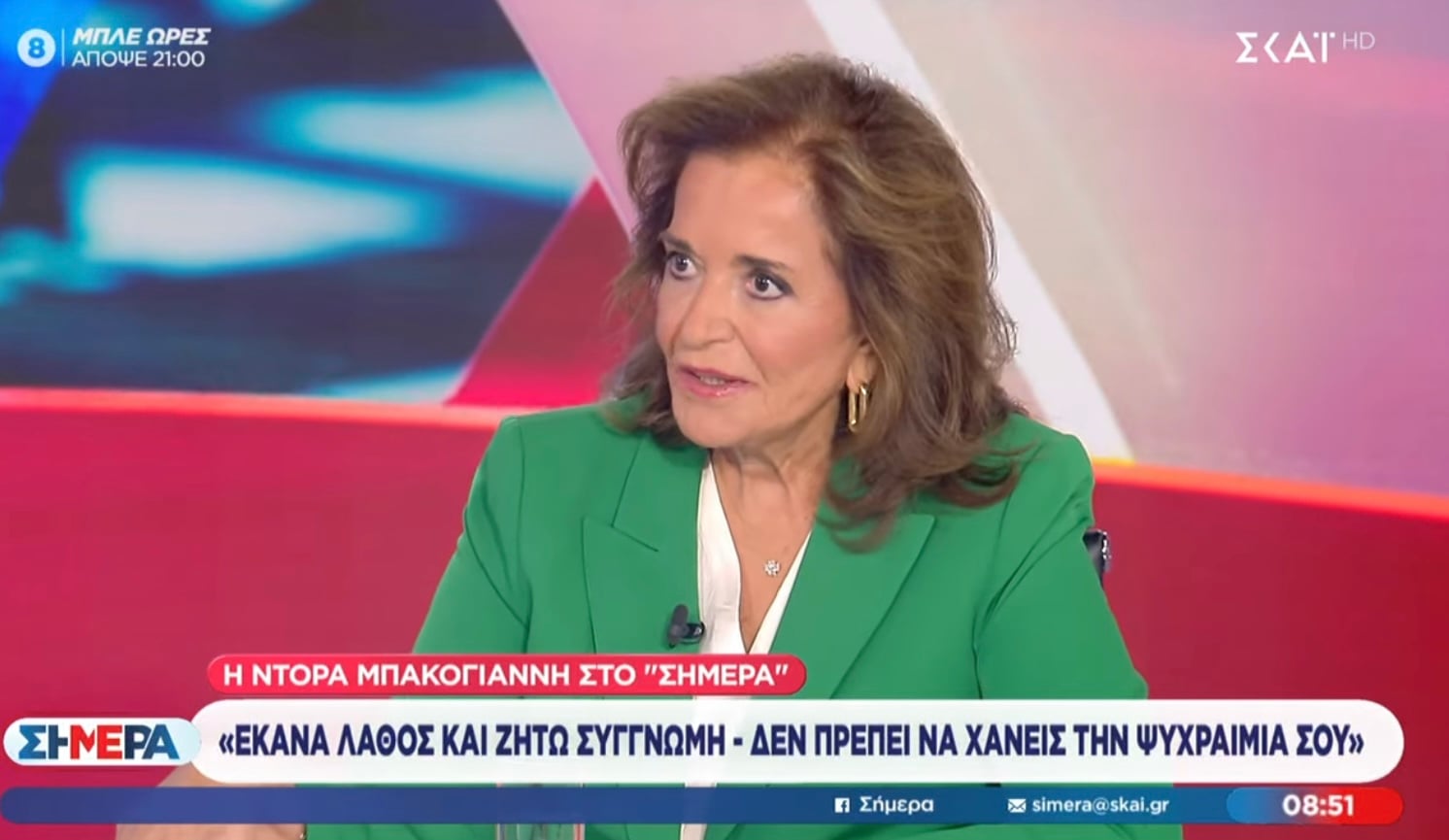
ΝΑ ΠΩΣ Ο SOROS, ΠΡΑΚΤΟΡΑΣ ΤΩΝ ROTHSCHILDS, ΕΞΩΘΕΙ ΤΑ ΠΡΑΓΜΑΤΑ ΠΡΟΣ ΤΟΥΣ ΠΟΛΥΕΞΟΔΟΥΣ ΕΞΟΠΛΙΣΜΟΥΣ ΚΑΙ ΣΤΟ ΤΕΛΟΣ ΕΝΑΝ ΠΟΛΕΜΟ ΕΝΑΝΤΙΟΝ ΤΟΥ ΠΟΥΤΙΝ ΚΑΙ ΤΟΥ ΙΡΑΝ -ΟΛΟΙ ΟΙ ΕΥΡΩΠΑΙΟΙ ΤΟΝ ΑΚΟΛΟΥΘΟΥΝ
Επομένως, πρέπει να κινητοποιήσουμε όλους τους πόρους μας για να τερματίσουμε πρόωρα τον πόλεμο. Ο καλύτερος και ίσως ο μόνος τρόπος για να διατηρήσουμε τον πολιτισμό μας είναι να νικήσουμε τον Πούτιν. Αυτό είναι το συμπέρασμα.
Therefore, we must mobilize all our resources to bring the war to an early end. The best and perhaps only way to preserve our civilization is to defeat Putin. That’s the bottom line.
https://www.project-syndicate.org/onpoint/davos-address-open-society-against-russia-china-by-george-soros-2022-05
ΟΛΟΚΛΗΡΗ Η ΟΜΙΛΙΑ ΤΟΥ SOROS
The Fight of Our Lives
May 24, 2022
George Soros
Russian President Vladimir Putin and Chinese President Xi Jinping have much in common: They rule by intimidation, which leads them to make mind-boggling mistakes – Putin in Ukraine, and Xi with an unsustainable zero-COVID policy. But the deep flaws of their closed societies do not imply that open societies are destined to prevail.
DAVOS – Since the last Davos meeting, the course of history has changed dramatically. Russia invaded Ukraine. This has shaken Europe to its core. The European Union was established to prevent such a thing from happening. Even when the fighting stops, as it eventually must, the situation will never revert to the status quo ante. Indeed, the Russian invasion may turn out to be the beginning of World War III, and our civilization may not survive it.
The invasion of Ukraine did not come out of the blue. The world has been increasingly engaged over the past half-decade, or longer, in a struggle between two diametrically opposed systems of governance: open society and closed society. Let me define the differences as simply as I can. In an open society, the role of the state is to protect the freedom of the individual; in a closed society, the role of the individual is to serve the rulers of the state. Other issues that concern all humanity – fighting pandemics and climate change, avoiding nuclear war, maintaining global institutions – have had to take a back seat to this systemic struggle. That’s why I say our civilization may not survive. I became engaged in what I call political philanthropy in the 1980s, a time when a large part of the world languished under Communist rule. I wanted to help people who were outraged and fought against oppression. I established one foundation after another in rapid succession in what was then the Soviet empire. The effort turned out to be more successful than I expected. Those were exciting days. They also coincided with a period of personal financial success that allowed me to increase my annual giving from $3 million in 1984 to more than $300 million three years later. After the 9/11 terrorist attacks in 2001, the tide began to turn against open societies. Repressive regimes are now ascendant, and open societies are under siege. Today, China and Russia represent the greatest threats to open societies. I have pondered long and hard why this shift took place. Part of the answer is to be found in the rapid development of digital technology, especially artificial intelligence.
Technology with Fangs
In theory, AI ought to be politically neutral: it can be used for good or bad. In practice, the effect is asymmetric. AI is particularly good at producing instruments of control that help repressive regimes and endanger open societies. COVID-19 also helped legitimize such instruments of control, because they really are useful in dealing with the pandemic. The rapid development of AI has gone hand in hand with the rise of Big Tech and social-media platforms. In short order, these conglomerates have come to dominate the global economy, their reach extending around the world. These developments have had far-reaching consequences. They have sharpened the conflict between China and the United States. China has turned its tech platforms into national champions. The US has been more hesitant, because it has worried about the effect of these technologies on individual freedom. These different attitudes shed new light on the conflict between the two different systems of governance. President Xi Jinping’s China, which collects personal data to surveil and control its citizens more aggressively than any other country in history, ought to benefit from these developments. But, as I shall explain, that is not the case.
Putin and Xi Pair Up
Let me first turn to recent developments, in particular the meeting between Xi and Russian President Vladimir Putin on February 4 at the opening ceremony of the Beijing Winter Olympics. They issued a long statement announcing that the cooperation between them has “no limits.” Putin informed Xi of a “special military operation” in Ukraine, but it is unclear whether he told Xi that he had a full-scale invasion in mind. US and British military experts certainly told their Chinese counterparts what was in store. Xi approved, but asked Putin to wait until the conclusion of the Winter Games.
For his part, Xi resolved to hold the Olympics despite the appearance of the highly contagious Omicron variant, that was just beginning to spread in China. The organizers went to great lengths to create an airtight bubble for the competitors, and the Olympics concluded without a hitch.
But Omicron established itself in the community, first in Shanghai, China’s largest city and commercial hub. Now it is spreading to the rest of the country. Yet Xi persists to this day with his zero-COVID policy, which has inflicted great hardships on Shanghai’s population by forcing residents into makeshift quarantine centers instead of allowing them to self-quarantine at home. Shanghai’s inhabitants have been driven to the verge of open rebellion. Many people are puzzled by this seemingly irrational approach to the pandemic, but I can give you the explanation: Xi harbors a guilty secret. He never told the Chinese people that they had been inoculated with a vaccine that was designed for the original Wuhan variant of the disease, but which offers little protection against new variants. Xi cannot afford to come clean about this, because he is at a very delicate moment in his career. His second term in office expires this fall, and he wants to be appointed to an unprecedented third term and eventually become ruler for life. He has carefully choreographed a process that would allow him to fulfill his life’s ambition, and everything must be subordinated to this goal.
Resisting Russia
In the meantime, Putin’s “special military operation” has not unfolded according to plan. He expected his army to be welcomed as liberators by the Russian-speaking population of Ukraine. His soldiers carried dress uniforms for a victory parade. Instead, Ukraine put up unexpectedly strong resistance and inflicted severe damage on the invading Russian army, which was badly equipped, badly led, and soon became demoralized. The US and the EU rallied to Ukraine’s support and supplied it with armaments. With their help, Ukraine was able to defeat the much larger Russian army in the battle for Kyiv. Putin could not afford to accept defeat and changed his plans accordingly. He put General Vladimir Shamanov, well known for his cruelty in the siege of Grozny, and later for the savagery of the campaign he conducted in Syria, in charge and ordered him to produce some success by May 9, when Victory Day was to be celebrated.
But Putin had very little to celebrate. Shamanov concentrated his efforts on the port city of Mariupol, which used to have 400,000 inhabitants. He reduced it to rubble, as he had done to Grozny, but the Ukrainian defenders held out for a long time.
The hasty withdrawal from Kyiv revealed the atrocities that Putin’s army had committed on the civilian population in the city’s northern suburbs. The war crimes are well documented, and images of civilians murdered by Russian troops in towns like Bucha have stirred widespread international outrage, though not in Russia, where the population has been kept in the dark about Putin’s war. The invasion of Ukraine has now entered a new, more challenging phase for the country’s defenders. The Ukrainian army must fight on open terrain where the numerical superiority of Russian forces is more difficult to overcome. The Ukrainians are doing their best, counterattacking, even at times boldly penetrating Russian territory. Such tactics have had the added benefit of bringing home to the Russian population what is really going on. The US has also done its best to reduce the financial gap between Russia and Ukraine, most recently by allocating an unprecedented $40 billion in military and financial aid to Ukraine’s government. I can’t predict the outcome, but Ukraine certainly has a fighting chance.
A More United Europe
Recently, Italian Prime Minister Mario Draghi and other European leaders went even further. They want to use the Russian invasion of Ukraine to promote greater European integration, so that what Putin is doing can never happen again. Former Italian Prime Minister Enrico Letta, leader of the Partito Democratico, proposed a plan for a partly federated Europe. The federal portion would cover foreign affairs, asylum, energy, defense, and social and health policies. Many people, including me, insist that both food and climate security should be added to the list. At Europe’s federal core, no member state would have veto power. In other policy domains, member states could join “coalitions of the willing” or simply retain their veto power. French President Emmanuel Macron, in a significant broadening of his pro-European approach, has advocated the importance of geographic expansion, and the need for the EU to prepare for it. Not only Ukraine but also Moldova, Georgia, and the Western Balkans should qualify for EU membership. It will take time to work out the details, but Europe seems to be moving in the right direction. It has responded to the invasion of Ukraine with greater speed, unity, and vigor than ever before in its history. After a hesitant start, European Commission President Ursula von der Leyen also has found a strong pro-European voice. But Europe’s dependence on Russian fossil fuels remains excessive, owing largely to the mercantilist policies pursued by former German Chancellor Angela Merkel. She had made special deals with Russia for the supply of gas and made China Germany’s largest trading partner. Germany became the best performing economy in Europe, but now there is a heavy price to pay. Germany’s economy needs to be reoriented. And that will take a long time. German Chancellor Olaf Scholz was elected because he promised continuity with Merkel’s policies and style of government. But events forced him to abandon continuity, which did not come easy, because he had to break with some hallowed traditions of his own Social Democratic Party. When it comes to maintaining European unity, however, Scholz always seems to do the right thing in the end. He suspended the Nord Stream 2 gas pipeline, committed €100 billion ($104.8 billion) to defense, and provided arms to Ukraine, breaking with a long-standing taboo. And Western democracies more generally responded with similar resolve to the Russian invasion of Ukraine.
Despotic Disasters
What do the two dictators, Putin and Xi, now tied together in an alliance, have to show for themselves? They have a lot in common. They rule by intimidation, and as a consequence they make mind-boggling mistakes. Putin expected to be welcomed in Ukraine as a liberator; likewise, Xi is sticking to a zero-COVID policy that can’t possibly be sustained. Putin seems to have recognized that he made a terrible mistake when he invaded Ukraine and is now preparing the ground for negotiating a cease fire. But a cease fire is unattainable, because he cannot be trusted. Putin would have to start peace negotiations, which he will never do because it would be equivalent to resigning. The situation is confusing. A military expert who had been opposed to the invasion was allowed to go on Russian television to inform the public how bad the situation is. Later, he swore allegiance to Putin. Interestingly, Xi continues to support Putin, but no longer without limits. This begins to explain why Xi is bound to fail. Giving Putin permission to launch an unsuccessful attack against Ukraine didn’t serve China’s best interests. Although China ought to be the senior partner in the alliance with Russia, Xi’s lack of assertiveness allowed Putin to usurp that position. But Xi’s worst mistake was to double down on his zero-COVID policy. The continuing lockdowns have had disastrous consequences, pushing the Chinese economy into a free fall since March. In April, the nationwide highway logistics index, which measures road haulage across China, dropped to 70% of its level one year ago. For Shanghai alone, the highway logistics index has dropped to 17% of its year-earlier level. With over 80% of total freight volume carried by trucks in China, these numbers point to a near-collapse of domestic commercial shipping. Moreover, the Caixin Composite PMI index, which uses data collected from some 400 companies to track private-sector business trends in China – including sales, new orders, employment, inventories, and prices – fell to 37.2, from 43.9 in March. When the PMI’s value is below 50, the economy is shrinking. China’s steeply declining economic activity is bound to have global consequences but, at least thus far, preparations for this have been scant. These negative results will continue to gather momentum until Xi reverses course – which he will never do, because he can’t admit a mistake. Coming on top of the real-estate crisis, the damage will be so great that it will affect the global economy. With the disruption of supply chains, global inflation is liable to turn into global depression.
Minimizing Risks
For the West, the dilemma in dealing with Russia is that the weaker Putin gets, the more unpredictable he becomes. The member states of the EU feel the pressure. They realize that Putin may not wait until they develop alternative sources of energy before turning off the gas taps himself, while it really hurts, as he has done to Bulgaria, Poland, and Finland. The REPowerEU program presented last week reflects these fears. Scholz is particularly anxious because of the special deals Merkel made with Russia. Draghi is more courageous, although Italy’s gas dependency is almost as high as Germany’s. Europe’s cohesion will face a severe test, but if it continues to act together, it could strengthen both Europe’s energy security and leadership on climate change. What about China? Xi has many enemies. Nobody dares to attack him directly because he controls all the instruments of surveillance and repression. But it is well known that within the Communist Party, dissension has become so sharp that it has found expression in articles that ordinary people can read. Contrary to expectations, Xi may not get his coveted third term because of the mistakes he has made. But even if he does, the Politburo may not give him a free hand to select the members of the next Politburo. That would greatly reduce his power and influence and make it less likely that he will become ruler for life. Meanwhile, as the war in Ukraine rages on, the fight against climate change has had to take second place. Yet the experts tell us that we have already fallen far behind, and climate change is on the verge of becoming irreversible. That could be the end of our civilization. I find this prospect particularly frightening. Most of us accept the idea that we must eventually die, but we take it for granted that our civilization will survive. Therefore, we must mobilize all our resources to bring the war to an early end. The best and perhaps only way to preserve our civilization is to defeat Putin. That’s the bottom line.
https://www.project-syndicate.org/onpoint/davos-address-open-society-against-russia-china-by-george-soros-2022-05
ΠΟΥ ΚΑΤΑΛΗΓΟΥΝ ΤΑ ΠΡΟΣΩΠΙΚΑ ΜΑΣ ΔΕΔΟΜΕΝΑ ΠΟΥ ΤΟΣΟ ΑΠΛΟΧΕΡΑ ΔΙΝΟΥΜΕ;
Βασική πηγή της Τεχνητής Νοημοσύνης και της ψηφιακής διακυβέρνησης είναι τα Ηνωμένα Έθνη και η Παγκόσμια Τράπεζα :
” UNITED NATIONS
E-GOVERNMENT
SURVEY 2024
Department of Economic and Social Affairs
Accelerating Digital transformation for sustainable Development
With the addendum on Artificial Intelligence
Preface
ΗΛΕΚΤΡΟΝΙΚΗ ΔΙΑΚΥΒΕΡΝΗΣΗ
ΕΡΕΥΝΑ 2024
Τμήμα Οικονομικών και Κοινωνικών Υποθέσεων
Επιτάχυνση του ψηφιακού μετασχηματισμού για βιώσιμη ανάπτυξη
Με την προσθήκη για την Τεχνητή Νοημοσύνη
Πρόλογος
Καθώς τα έθνη προσπαθούν να επιτύχουν τους Στόχους Βιώσιμης Ανάπτυξης (SDGs), ο ρόλος της ψηφιακής κυβέρνησης γίνεται όλο και πιο κεντρικός σε αυτές τις προσπάθειες. Η ηλεκτρονική διακυβέρνηση πρόκειται να επωφεληθεί πολύ από αυτές τις εξελίξεις, συμπεριλαμβανομένης της τεχνητής νοημοσύνης, καθιστώντας τη δημόσια διοίκηση πιο αποτελεσματική και ανταποκρινόμενη. Αυτή η έρευνα παρέχει κρίσιμες γνώσεις για την παγκόσμια κατάσταση της ηλεκτρονικής διακυβέρνησης, προσφέροντας στοιχεία τόσο για την πρόοδο όσο και για τις επίμονες προκλήσεις στον ψηφιακό τομέα…”
Ο πράκτορας των Rothschilds Mark Malloch Brown, σύμβουλος του Soros, έχει μια θέση κλειδί στα Ηνωμένα Έθνη και την Παγκόσμια Τράπεζα :
“Ο Mark Malloch‐Brown είναι πρόεδρος της Open Society Foundations [του Soros]…
Έχει εργαστεί για την προώθηση των ανθρωπίνων δικαιωμάτων, της δικαιοσύνης και της ανάπτυξης για περισσότερες από τέσσερις δεκαετίες σε ποικίλους ρόλους: στα Ηνωμένα Έθνη, στην Παγκόσμια Τράπεζα και ως υπουργός της βρετανικής κυβέρνησης, καθώς και σε μια σειρά από ομάδες της κοινωνίας των πολιτών και επιχειρήσεις.
Στα Ηνωμένα Έθνη, ο Mark Malloch‐Brown πρωτοστάτησε στην παγκόσμια προώθηση των Millennium Development Goals ως επικεφαλής του Προγράμματος Ανάπτυξης των Ηνωμένων Εθνών (UNDP) από το 1999 έως το 2005, υπό τον τότε Γενικό Γραμματέα των Ηνωμένων Εθνών, Kofi Annan.
Στο πρόγραμμα UNDP των Ηνωμένων Εθνών, και προηγουμένως ως επικεφαλής εξωτερικών υποθέσεων στην Παγκόσμια Τράπεζα, Malloch-Brown ηγήθηκε προσπαθειών μεταρρύθμισης που θεωρήθηκαν ευρέως ότι αύξαναν την δύναμη και των δύο οργανισμών.
Αργότερα υπηρέτησε ως αρχηγός της ομάδος του Kofi Annan, και στη συνέχεια ως Αναπληρωτής Γενικός Γραμματέας των Ηνωμένων Εθνών…
Ο Malloch-Brown επέστρεψε στο Παγκόσμιο Συμβούλιο της Open Society το 2009, αντανακλώντας μια στενή φιλία με τόν George Soros που αναπτύχθηκε στις αρχές της δεκαετίας του 1990, όταν εργαζόταν ως πολιτικός σύμβουλος στη Λατινική Αμερική και αργότερα σε προσπάθειες ανακούφισης στη Βοσνία.
Ο Soros υποστήριξε την ιδέα των Malloch-Brown και άλλων να καθιερώσεί το International Crisis Group…
Πιο πρόσφατα… έχει ηγηθεί, μεταξύ άλλων, των διοικητικών συμβουλίων του Royal Africa Society, το Ίδρυμα των Ηνωμένων Εθνών και της Επιτροπή Επιχειρήσεων για τη Βιώσιμη Ανάπτυξη [συνδεδεμένη με τα Ηνωμένα Έθνη].
Ο Malloch-Brown χρίστηκε ιππότης για τη συμβολή του στις διεθνείς υποθέσεις και αυτή τη στιγμή βρίσκεται σε άδεια από τη Βρετανική Βουλή των Λόρδων.
Ο Malloch-Brown είναι …συνεργαζόμενος ερευνητής στο πρόγραμμα Queen Elizabeth του Chatham House…”
ΔΗΛΑΔΗ ΟΛΑ ΤΑ ΔΕΔΟΜΕΝΑ ΜΑΣ, ΠΟΥ ΕΧΟΥΝ ΜΕΓΑΛΗ ΟΙΚΟΝΟΜΙΚΗ ΑΞΙΑ, ΘΑ ΚΑΤΑΛΗΞΟΥΝ ΣΤΑ ΧΕΡΙΑ ΤΩΝ ROTHSCHILD!
ΚΑΙ ΑΥΤΟΙ ΜΕ ΤΗΝ ΣΕΙΡΑ ΤΟΥΣ ΘΑ ΤΑ ΔΩΣΟΥΝ Ή ΘΑ ΤΑ ΠΟΥΛΗΣΟΥΝ ΕΚΕΙ ΠΟΥ ΑΥΤΟΙ ΘΕΛΟΥΝ!
Εσάς πρέπει να καθαρίσουμε.
Ο ναρκομανής του Κιέβου κάνει ότι κάνει με δική σας στήριξη.
Ακόμα κι αν στα λόγια υποκρίνεστε το αντίθετο.
Ο ΝΑΡΚΟΜΑΝΗΣ ΤΟΥ ΚΙΕΒΟΥ ΕΧΕΙ ΥΠΟΣΤΗΡΙΞΕΙ ΤΗΝ ΠΑΤΡΙΔΑ ΤΟΥ ΠΕΝΤΕ ΧΡΟΝΙΑ ΤΩΡΑ ΚΑΙ ΑΥΤΟ ΣΑΣ ΠΟΝΑΕΙ ΧΙΤΛΕΡΑΚΙΑ ΑΛΛΑ ΦΑΣΙΣΤΕΣ ΚΑΙ ΑΡΙΣΤΕΡΟΙ ΤΟΥ ΚΩΛΟΥ ΕΙΣΑΣΤΕ ΜΕ ΤΗΜ ΞΑΝΘΙΑ ΜΑΙΜΟΥ ΟΠΩΣ ΚΑΙ ΤΟ 1939 ΜΕ ΧΙΤΛΕΡ ΚΑΙ ΣΤΑΛΙΝ
For anyone checking the latest food options and prices, a detailed kfc menu prices uk guide can be useful for comparing meals, sides, and other menu items before ordering.
If you are looking for current Subway options in the UK, this subway menu prices uk guide provides a convenient way to explore different sandwiches, sides, and menu choices.
Checking menu prices in advance can make it easier to plan your meal. This olive garden price resource is helpful for browsing different dishes and their prices.
Choosing the right Australian business insurance broker
can provide valuable protection against unexpected risks and help businesses operate with greater confidence.